Fintech Compliance in the Americas: FinCEN, OFAC, and LATAM Regulators
Rashad Cureton
Founder, Cure Consulting Group
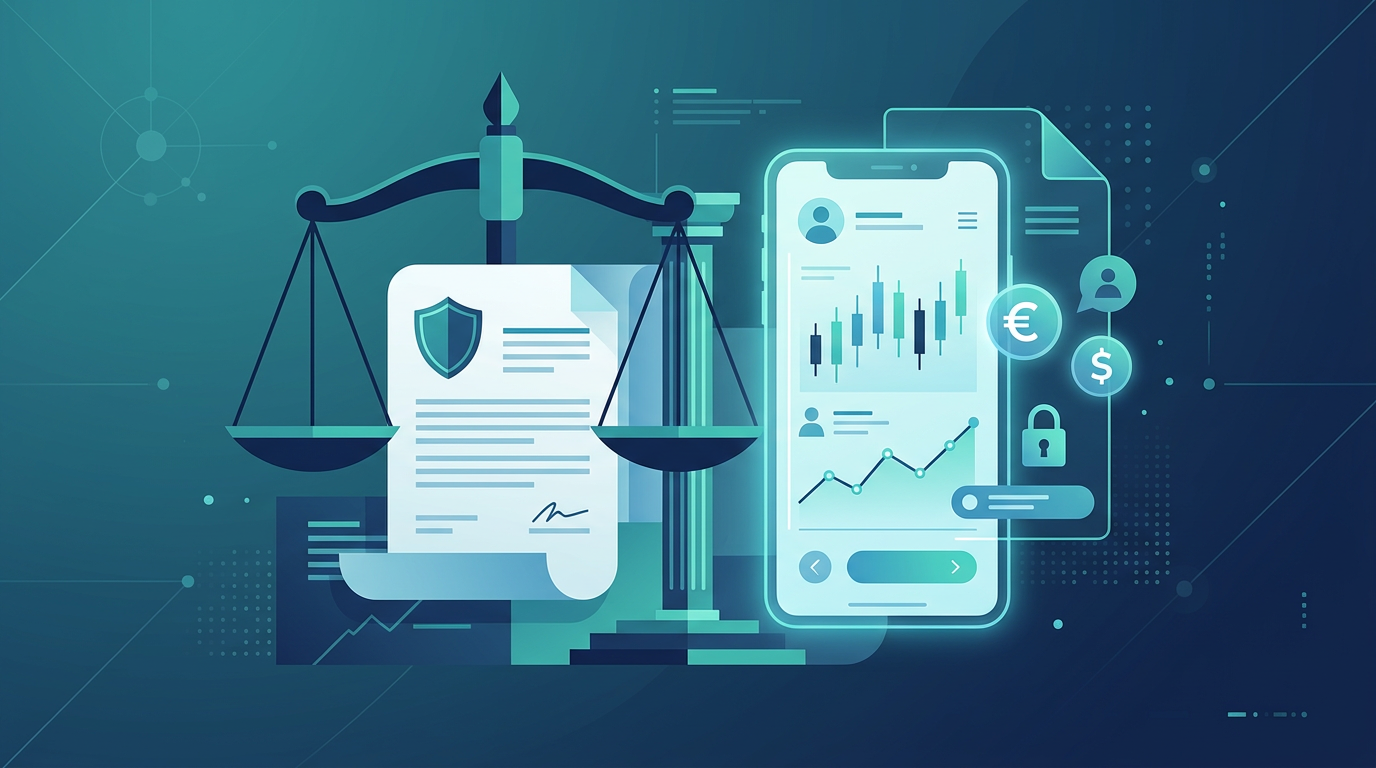
The Compliance Landscape Is Your Moat
Most startup founders see compliance as a cost center. The smart ones see it as a competitive advantage.
At JP Morgan, I learned that robust compliance infrastructure isn't just about avoiding fines — it's about building trust that opens enterprise doors. Companies with proper AML/KYC systems close enterprise deals 3x faster because they can answer the security questionnaire on day one.
US Regulators You Need to Know
FinCEN (Financial Crimes Enforcement Network)
If you're a Money Services Business (MSB) — which includes most fintech companies that move money — you must:- Register as an MSB with FinCEN
- Implement an AML program with a compliance officer, training, and auditing
- File SARs (Suspicious Activity Reports) within 30 days of detecting suspicious behavior
- File CTRs (Currency Transaction Reports) for transactions over $10,000
OFAC (Office of Foreign Assets Control)
Every financial transaction must be screened against OFAC's sanctions lists:- SDN List (Specially Designated Nationals)
- Screening must happen in real-time — batch processing isn't compliant
- Violations can result in fines up to $20M per transaction
What This Means for Your Code
Transaction Flow:
- Customer initiates transaction
- → KYC verification (identity, address, source of funds)
- → OFAC screening (real-time, against current SDN list)
- → AML scoring (transaction pattern analysis)
- → If flagged → manual review queue → SAR filing if warranted
- → If clear → process transaction
- → Post-transaction monitoring (ongoing)
LATAM Regulators: Country by Country
Brazil — Banco Central do Brasil (BCB)
- PIX transactions have specific reporting requirements
- Open Banking regulations require API standardization
- KYC requirements include CPF (tax ID) verification
- Plan for real-time reporting to the BCB for certain transaction types
Mexico — CNBV
- SPEI integration requires direct registration with Banxico
- Anti-money laundering law requires transaction reporting above specific thresholds
- CURP and RFC verification for KYC
- Digital signature requirements (e.firma) for certain operations
Colombia — Superintendencia Financiera
Get insights like this in your inbox
Practical tips on AI, mobile & cloud — no spam.
- SARLAFT (AML/CFT system) implementation is mandatory
- Transaction reporting through UIAF (Financial Information and Analysis Unit)
- Real-time sanctions screening against local and international lists
Building Compliance Into Your Architecture
Don't Bolt It On — Build It In
The most expensive mistake is treating compliance as a feature you add later. Compliance needs to be in your data model from day one:
- Audit trail: Every state change, every access, every decision — timestamped and immutable
- Data retention: Different regulators require different retention periods (5-7 years is typical)
- Data segregation: LATAM data may need to stay in-region (data sovereignty)
- Reporting pipeline: Automated generation of regulatory reports, not manual spreadsheets
Multi-Currency Architecture
If you're processing transactions across the Americas:
- Store amounts in the smallest currency unit (cents, centavos)
- Keep the original currency alongside any converted amounts
- Use daily exchange rate snapshots for reporting (real-time rates for processing)
- Build a currency configuration per country, not per transaction
The Cost of Getting It Wrong
- FinCEN violations: $25K-$1M per violation for individuals, up to $25M for entities
- OFAC violations: Up to $20M per transaction or double the transaction amount
- LATAM regulators: Vary by country, but operational license revocation is common
These aren't theoretical. In 2024-2025, several fintech startups had their operating licenses suspended in Brazil and Mexico for compliance failures.
Practical Steps for Startups
- Hire a compliance advisor before you write code — not after you launch
- Use a compliance-as-a-service provider (Alloy, Persona, ComplyAdvantage) for KYC/AML instead of building from scratch
- Automate sanctions screening — never let a human be your only line of defense
- Document everything — regulators care as much about your process documentation as your actual systems
- Budget 15-20% of your fintech development costs for compliance infrastructure
Building financial software that needs to work across borders? Let's discuss your compliance architecture — we've built these systems at JP Morgan and know where the landmines are.
Written by
Rashad Cureton
Founder & Principal Engineer
Rashad is the founder of Cure Consulting Group. Previously an engineer at JP Morgan, Ford, Clear, NYT, Kickstarter, and Big Nerd Ranch. He builds full-stack web and mobile apps for startups and companies of every size.
Related Articles
Mobile App Development: Native vs Cross-Platform in 2026
The native vs. cross-platform debate has shifted dramatically. KMP, Flutter, and React Native have all matured — but 'it depends' isn't useful advice. Here's a concrete decision matrix.
10 min
The Real Cost of Technical Debt: A CFO's Guide
Technical debt isn't just an engineering problem — it's a financial one. Here's how to quantify it, communicate it to the board, and decide when paying it down makes business sense.
10 min
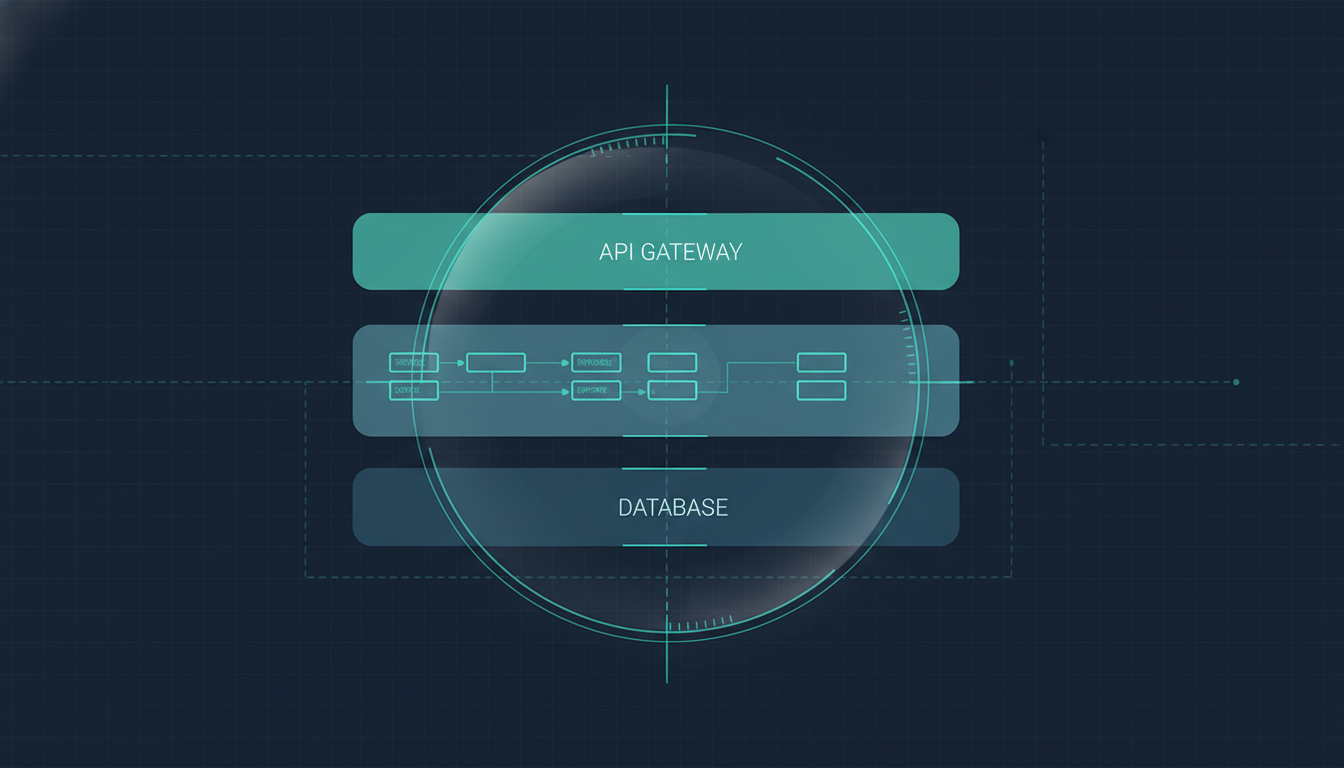
Why Your SaaS Platform Needs a Technical Architecture Review
Most SaaS platforms hit a wall between 1K and 10K users. The symptoms look like performance problems, but the root cause is almost always architecture. Here's how to spot the signs early.
9 min