Claude vs. Gemini vs. GPT: An Honest Comparison for Business Leaders (2026)
Rashad Cureton
Founder, Cure Consulting Group
Why This Comparison Exists
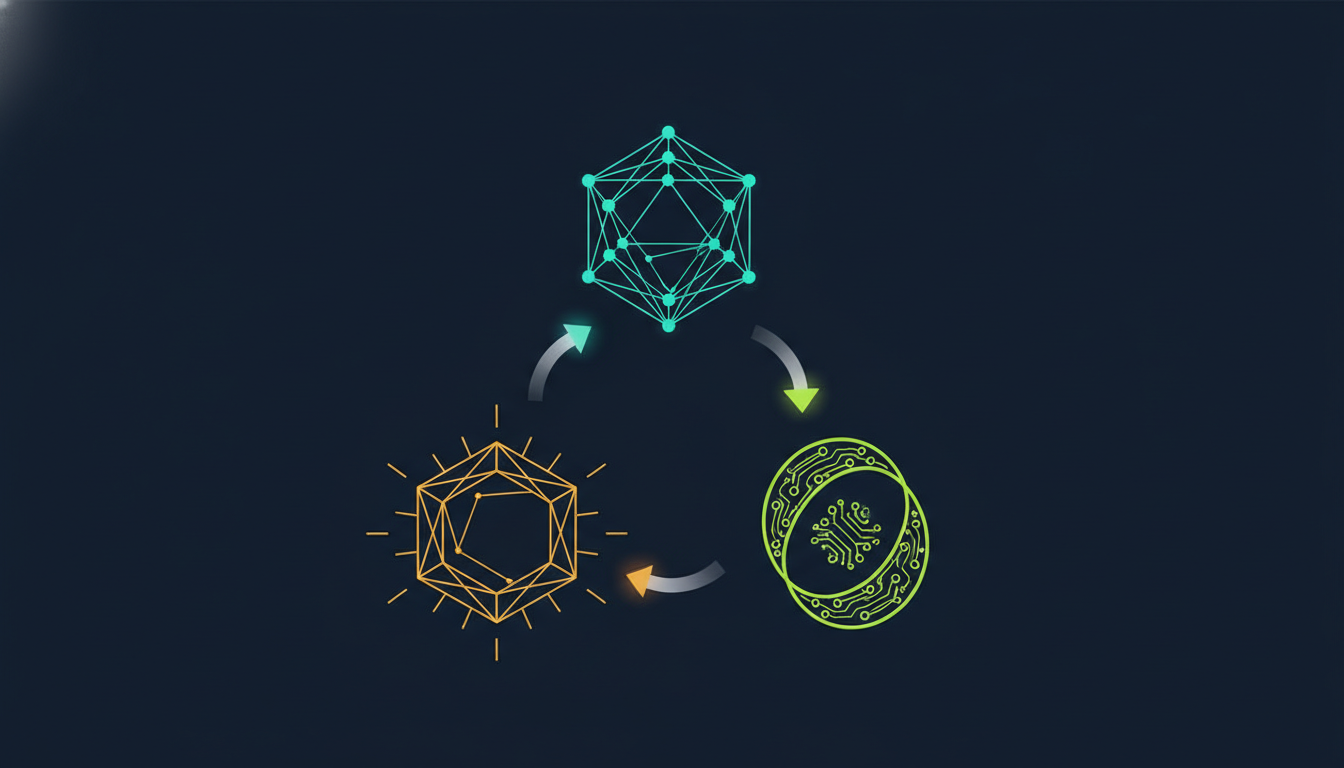
Every week a client asks me: "Which AI should we use?" My answer is always the same: it depends on what you're doing. At Cure Consulting, we don't have a favorite — we have a toolkit. We use Claude, Gemini, and GPT across different client projects depending on the task, and we've developed strong opinions about where each one excels.
This isn't a benchmark comparison pulled from academic papers. This is what we've learned from deploying all three in production across real business workflows — from Vendly's AI-powered vendor matching to LearnLift's personalized tutoring system.
AI Comparison
The Head-to-Head Scorecard
Here's how Claude, Gemini, and GPT stack up across the capabilities that actually matter for business:
| Capability | Claude (Anthropic) | Gemini (Google) | GPT (OpenAI) |
|---|---|---|---|
| Reasoning & Analysis | ★★★★★ | ★★★★☆ | ★★★★★ |
| Code Generation | ★★★★★ | ★★★★☆ | ★★★★★ |
| Long Context Window | ★★★★★ (200K) | ★★★★★ (2M+) | ★★★★☆ (128K) |
| Multimodal (Vision/Audio/Video) | ★★★☆☆ | ★★★★★ | ★★★★☆ |
| Safety & Alignment | ★★★★★ | ★★★★☆ | ★★★★☆ |
| Ecosystem & Plugins | ★★★☆☆ | ★★★★☆ | ★★★★★ |
| Enterprise Readiness | ★★★★☆ | ★★★★★ | ★★★★★ |
| Cost Efficiency | ★★★★☆ | ★★★★★ | ★★★★☆ |
| Image Generation | ☆☆☆☆☆ | ★★★★☆ | ★★★★★ |
| Real-time Data Access | ★★☆☆☆ | ★★★★★ | ★★★☆☆ |
Task-by-Task Recommendations
After hundreds of hours deploying these models in production, here are our specific recommendations for common business tasks:
Document Analysis & Contract Review
Winner: Claude — The combination of a 200K token context window and Constitutional AI's focus on accuracy makes Claude the clear choice. When we built the contract analysis pipeline for a legal tech client, Claude caught nuances that both Gemini and GPT missed.Marketing Content with Images
Winner: GPT — DALL-E integration means your team can generate and iterate on visual content in the same conversation. Gemini is catching up with Imagen, but GPT's end-to-end creative workflow is smoother today.Code Generation & Review
Winner: Claude or GPT (tie) — Both are excellent. Claude Code CLI is exceptional for codebase-aware development. GPT's Codex and function calling are more mature for API integrations. We use Claude for greenfield development and GPT for integrating with existing systems.Data Analysis
Winner: Gemini — If your data lives in BigQuery, Sheets, or any Google Cloud product, Gemini's native integration is unbeatable. Natural language queries against millions of rows, directly in your Workspace.Customer Support Bots
Winner: Claude — Constitutional AI means fewer hallucinations, better adherence to policies, and graceful escalation. For customer-facing AI where brand risk is real, Claude's safety-first approach is worth the premium.Quick Prototyping
Winner: GPT — ChatGPT's brand recognition and Custom GPTs mean your team can build a proof of concept without engineering involvement. The barrier to entry is the lowest in the industry.Don't marry a vendor — date all three. The businesses winning with AI in 2026 are the ones using Claude for their most critical reasoning tasks, Gemini for multimodal and Google-connected workflows, and GPT for rapid team adoption. A multi-model strategy isn't complexity — it's intelligence.
”AI Decision Tree
Get insights like this in your inbox
Practical tips on AI, mobile & cloud — no spam.
Best for Startups & Small Teams
Best for Enterprise & Regulated Industries
The Cost Optimization Playbook
One of the biggest mistakes we see is using the most expensive model for every task. Here's our framework:
Audit Your AI Tasks by Complexity
List every task you're using (or planning to use) AI for. Categorize them as Simple (classification, routing, formatting), Medium (content generation, summarization, Q&A), or Complex (analysis, reasoning, strategy, code generation).
Match Models to Complexity Tiers
Simple tasks → GPT-4o mini ($0.15/1M tokens) or Gemini Flash ($0.075/1M tokens). Medium tasks → Claude Sonnet ($3/1M) or GPT-4o ($2.50/1M). Complex tasks → Claude Opus ($15/1M) or o3 ($10-60/1M). Don't use Opus for formatting emails.
Set Up Model Routing
Build a simple routing layer that sends each request to the right model based on task type. This alone typically saves 40-60% on API costs without any quality reduction on complex tasks.
Monitor and Adjust Monthly
Track cost-per-task and quality scores. You'll find that some "complex" tasks can be downgraded, and some "simple" tasks need upgrading. Optimize continuously.
Negotiate Enterprise Agreements
Once you're spending $5K+/month with any provider, reach out for enterprise pricing. Volume discounts of 20-40% are standard, and you'll get better support and SLAs.
Our Stack at Cure Consulting
Here's what we actually use, and why:
| Task | Model | Why |
|---|---|---|
| Code generation & review | Claude Opus / Sonnet | Best reasoning, Claude Code CLI integration |
| Client documentation | Claude Sonnet | Clean output, follows style guides |
| Marketing content | GPT-4o + DALL-E | Visual content generation in same thread |
| Data analysis | Gemini Pro | Native BigQuery and Sheets integration |
| Quick prototypes | ChatGPT (Custom GPTs) | Lowest barrier, client can test immediately |
| Customer-facing bots | Claude Sonnet | Safety guardrails, fewer hallucinations |
| Video/image analysis | Gemini Pro | Best native multimodal understanding |
| Email drafting | Gemini Flash (in Gmail) | Already in the workflow, zero friction |
How to Choose Your AI Stack
The decision framework is simpler than vendors want you to believe:
- If your company runs on Google Workspace → Start with Gemini (it's already in your tools), add Claude for complex reasoning
- If your company runs on Microsoft 365 → Start with GPT via Azure OpenAI, add Claude for document analysis
- If you're a startup with no preference → Start with ChatGPT Team for accessibility, add Claude for production-grade AI
- If you're in a regulated industry → Lead with Claude for safety, supplement with Gemini or GPT for specific use cases
- If you need multimodal (images, video, audio) → Lead with Gemini, supplement with GPT for image generation
The worst decision is analysis paralysis. Pick one, start small, measure results, and expand. You can always add another model later — and you probably should.
Not sure which AI platform is right for your business? Book a free strategy session — we'll audit your workflows, recommend the optimal model mix, and build a proof of concept using the best AI for your specific use case.
Written by
Rashad Cureton
Founder & Principal Engineer
Rashad is the founder of Cure Consulting Group. Previously an engineer at JP Morgan, Ford, Clear, NYT, Kickstarter, and Big Nerd Ranch. He builds full-stack web and mobile apps for startups and companies of every size.
Related Articles
GPT 101: The Business Leader's Guide to OpenAI's AI
GPT and ChatGPT aren't just the most popular AI — they've built the largest ecosystem of plugins, custom bots, and enterprise integrations in the industry. Here's how to leverage OpenAI's platform for your business.
10 min
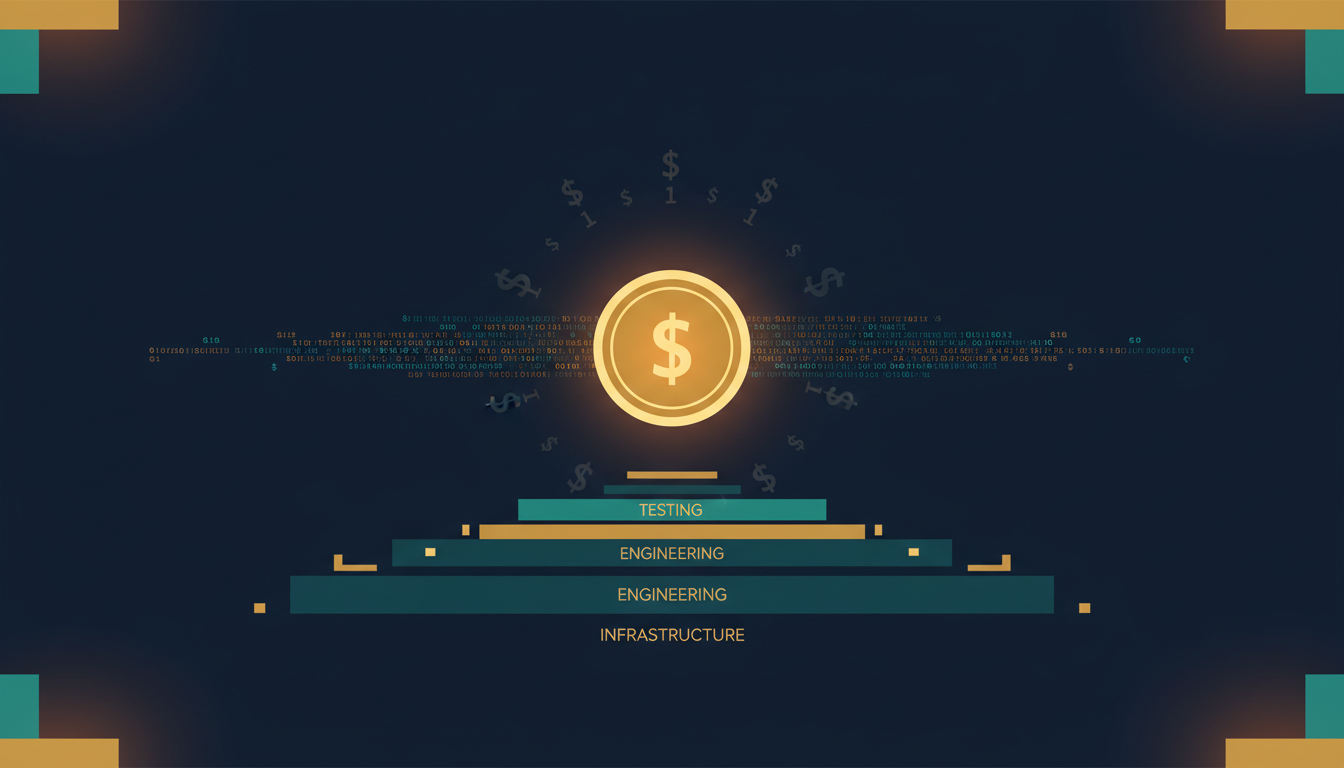
How Much a Token Costs: The Real Price of AI Adoption
A single AI token costs a fraction of a penny. So why do most companies spend six figures getting AI into production? A closer look at the gap between the price tag and the bill.
11 min
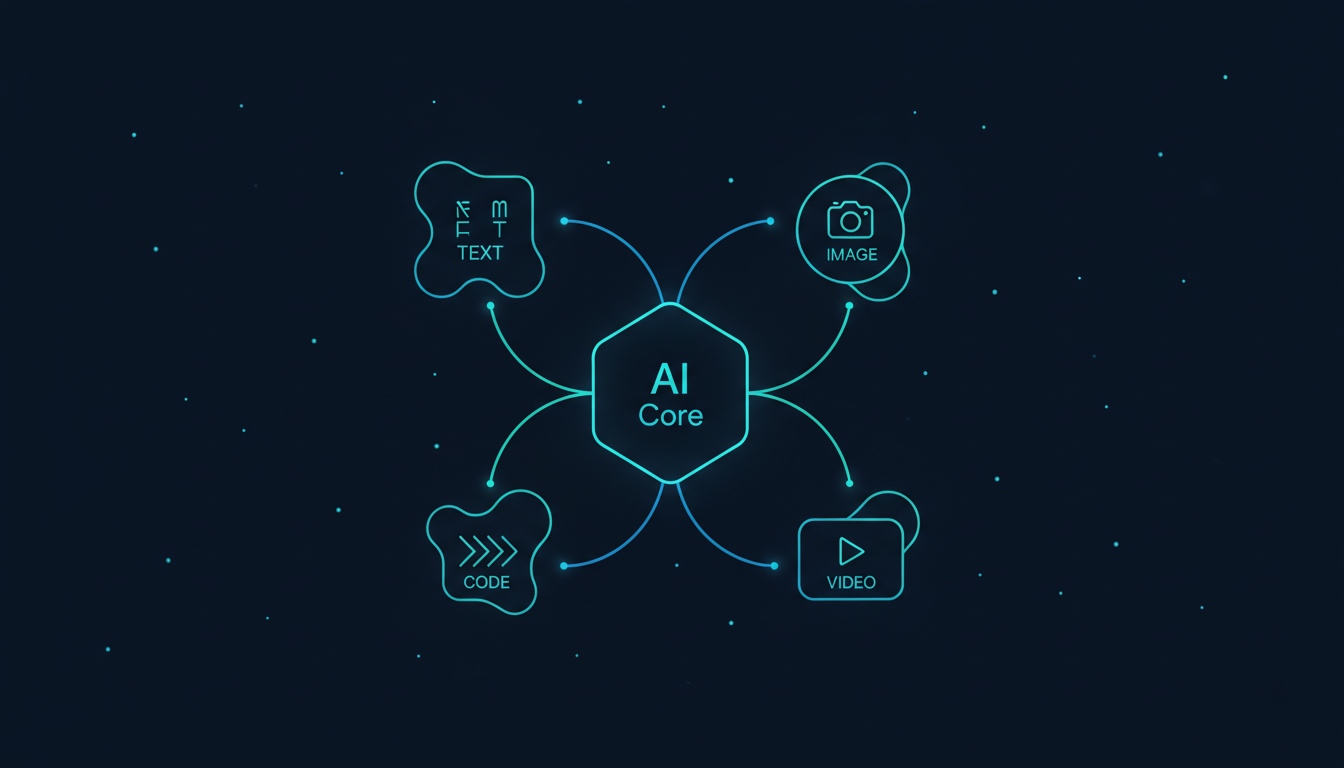
Gemini 101: The Business Leader's Guide to Google's AI
Gemini isn't just Google's answer to ChatGPT — it's the first AI built natively for multimodal understanding. Here's how its deep Google ecosystem integration creates unique advantages for businesses already running on Workspace.
10 min